Hardie Siding Installation: A Comprehensive Guide
Embark on a journey into the world of hardie siding installation with this informative guide. From the benefits of Hardie siding to the importance of proper installation techniques, this topic is sure to provide valuable insights for homeowners and DIY enthusiasts alike.
Exploring the necessary tools, step-by-step procedures, and finishing touches, this guide covers all aspects of Hardie siding installation to help you achieve a durable and aesthetically pleasing exterior for your building.
Introduction to Hardie Siding Installation
Hardie siding, also known as James Hardie fiber cement siding, is a durable and versatile material made from a combination of cement, sand, and cellulose fibers. It is highly resistant to rot, pests, fire, and extreme weather conditions, making it a popular choice among homeowners looking for long-lasting siding options.
One of the main benefits of Hardie siding is its low maintenance requirements and long lifespan, often lasting up to 50 years when properly installed and maintained. Additionally, Hardie siding comes in a variety of styles and colors, allowing homeowners to achieve the look they desire for their homes.
Importance of Proper Installation Techniques
Proper installation techniques are crucial when it comes to Hardie siding to ensure its longevity and performance. Improper installation can lead to issues such as moisture infiltration, warping, and cracking, compromising the overall integrity of the siding.
- Ensure proper flashing and caulking around windows, doors, and other openings to prevent water intrusion.
- Follow manufacturer guidelines for fastening and spacing to avoid buckling or gaps in the siding.
- Use the correct tools and techniques for cutting and handling Hardie siding to prevent breakage and damage during installation.
- Properly seal and paint the siding after installation to protect it from the elements and maintain its appearance.
Pre-Installation Preparation
Before starting the Hardie siding installation, it is crucial to ensure that you have all the necessary tools and materials ready. Additionally, preparing the work area and accurately measuring and planning the layout are key steps to a successful installation.
Tools and Materials
- Hardie siding panels
- Tape measure
- Circular saw with a carbide-tipped blade
- Galvanized nails or screws
- Hammer or drill
- Level
- Safety glasses and gloves
Work Area Preparation
Before starting the installation, make sure to clear the work area of any debris or obstacles. Ensure that the surface where the siding will be installed is clean and dry. Remove any old siding or trim that may interfere with the new installation.
Measuring and Planning
Accurately measuring and planning the layout is crucial for a seamless installation. Use a tape measure to determine the dimensions of the walls where the siding will be installed. Plan the layout to minimize waste and ensure a professional finish.
Installation Process
When it comes to installing Hardie siding, following a proper step-by-step procedure is crucial to ensure a successful outcome. From cutting and fitting the panels to securely attaching them to the exterior of a building, each stage plays a significant role in the overall installation process.
Cutting and Fitting Hardie Siding Panels
- Measure twice, cut once: Take accurate measurements of the area where the siding panels will be installed to avoid wastage.
- Use the right tools: A circular saw equipped with a carbide-tipped blade or shears specifically designed for fiber cement siding can help achieve clean cuts.
- Score and snap: Score the panel with a utility knife before snapping it along the scored line for a precise cut.
- Allow for expansion: Leave a small gap between panels to accommodate expansion and contraction due to temperature changes.
Securing Hardie Siding to the Exterior
- Start at the bottom: Begin installing the siding at the bottom of the wall and work your way up, overlapping each panel to prevent water infiltration.
- Use the right fasteners: Stainless steel or hot-dipped galvanized nails should be used to secure the panels, ensuring durability and resistance to corrosion.
- Follow manufacturer’s guidelines: Refer to the installation instructions provided by James Hardie for specific details on the recommended nailing pattern and spacing.
- Seal joints and edges: Apply a high-quality caulk to seal any gaps between panels and around windows, doors, and corners to prevent moisture penetration.
Finishing Touches and Maintenance
When it comes to finishing touches and maintenance for Hardie siding, there are important steps to follow to ensure the longevity and appearance of your siding.
Finishing Options
Hardie siding offers a variety of finishing options to enhance the look of your home. These include:
- Painting: Hardie siding can be painted in a wide range of colors to match your home’s aesthetic.
- Staining: For a more natural look, you can choose to stain your Hardie siding.
- Texturing: Different textures can be added to the siding to create a unique and customized appearance.
Caulking and Painting Importance
Caulking and painting Hardie siding after installation is crucial for several reasons:
- Sealing: Caulking helps seal gaps and joints, preventing water infiltration and ensuring the siding’s durability.
- Protection: Painting adds an extra layer of protection against harsh weather conditions, extending the lifespan of the siding.
- Enhancement: Both caulking and painting contribute to the overall aesthetics of the siding, enhancing the curb appeal of your home.
Maintenance Tips
To maintain and prolong the lifespan of your Hardie siding, consider the following tips:
- Regular Cleaning: Clean your siding periodically to remove dirt, debris, and mold buildup.
- Inspection: Inspect the siding for any damage or signs of wear, such as cracks or chips, and repair them promptly.
- Paint Touch-Ups: Keep an eye on the paint condition and touch up any chipped or faded areas to prevent further damage.
- Avoid Harsh Chemicals: When cleaning the siding, use mild detergents and avoid harsh chemicals that can damage the finish.
- Professional Inspection: Consider hiring a professional to inspect and maintain your Hardie siding periodically for a thorough assessment.
Ending Remarks
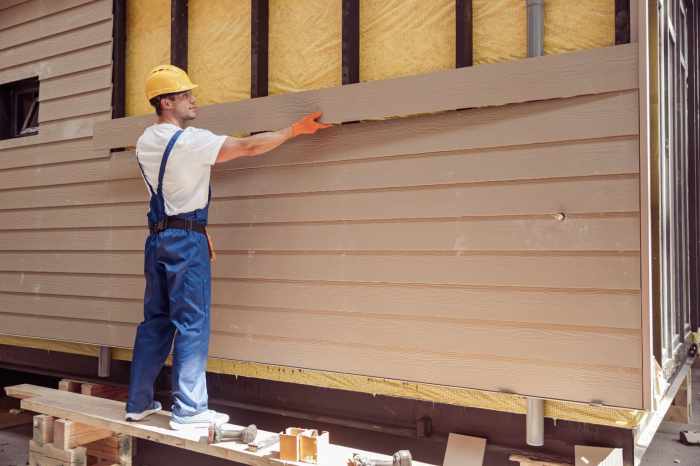
In conclusion, mastering the art of Hardie siding installation can transform the look and durability of your home. By following the tips and guidelines Artikeld in this guide, you can ensure a successful installation process and enjoy the benefits of Hardie siding for years to come.
Question & Answer Hub
What are the benefits of Hardie siding?
Hardie siding is known for its durability, resistance to fire and pests, low maintenance requirements, and versatility in design options.
How important is proper installation for Hardie siding?
Proper installation ensures the longevity and performance of Hardie siding. It helps prevent issues like water damage and ensures a secure attachment to the building.
What tools are needed for Hardie siding installation?
Common tools include a circular saw, tape measure, level, nail gun, and safety gear like goggles and gloves.
How should Hardie siding be maintained?
Regular cleaning, inspections for damage, and timely repairs or repainting can help maintain the appearance and functionality of Hardie siding.