Siding and Gutters: Essential Components for Building Protection
Delving into the world of siding and gutters, these elements play a crucial role in safeguarding structures and managing water flow. Let’s explore the ins and outs of these vital components.
As we dive deeper, we will uncover the various types of siding materials, the importance of gutter systems, installation processes, maintenance tips, and the impact of design choices on the overall aesthetics of a building.
Importance of Siding and Gutters
Siding and gutters play crucial roles in maintaining the integrity and functionality of a building.
Role of Siding in Protecting a Building
Siding serves as the first line of defense against external elements such as rain, snow, wind, and sunlight. It helps to protect the structure of the building from moisture and water damage, preventing issues like mold, rot, and decay. Additionally, siding enhances the curb appeal of the building, contributing to its overall aesthetics and value.
Significance of Gutters in Managing Water Flow
Gutters are essential for directing rainwater away from the building’s foundation, preventing water damage and erosion. By collecting and channeling water towards a designated drainage system, gutters help to maintain the structural integrity of the building and prevent basement flooding.
Properly functioning gutters also protect the landscaping around the building by controlling the flow of water.
Types of Siding Materials
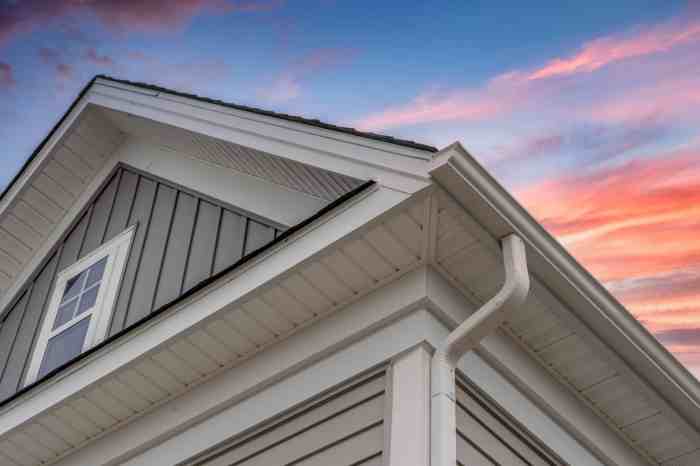
When choosing siding for your home, it’s essential to consider the various materials available to find the best option that suits your needs.
Vinyl Siding
Vinyl siding is a popular choice due to its affordability and low maintenance. It is available in a wide range of colors and styles, making it versatile for different aesthetic preferences. While it may not be as durable as some other options, advancements in technology have improved its longevity.
Wood Siding
Wood siding offers a natural and timeless look to a home. It can be painted or stained in various colors to match the exterior design. However, wood siding requires regular maintenance, such as painting and sealing, to prevent rot and insect damage.
Fiber Cement Siding
Fiber cement siding is a durable and low-maintenance option that mimics the look of wood or stucco. It is resistant to fire, insects, and rot, making it a long-lasting choice. Additionally, it is available in various textures and colors for customization.
Metal Siding
Metal siding, typically made of aluminum or steel, is known for its durability and strength. It is resistant to rot, insects, and fire, making it a great option for harsh weather conditions. While metal siding can be more expensive upfront, it is a long-term investment due to its longevity.
Gutter Systems
Gutter systems are essential components of a building’s exterior that help to manage rainwater runoff and protect the structure from water damage. They consist of several key elements that work together to channel water away from the building.The components of a gutter system typically include:
Components of a Gutter System
- Gutters: Channels that collect rainwater running off the roof.
- Downspouts: Vertical pipes that carry the water from the gutters down to the ground.
- Elbows: Used to redirect the flow of water around corners.
- End Caps: Seal off the ends of the gutters to prevent water leakage.
- Hangers: Support the gutters and keep them securely attached to the building.
Benefits of Seamless Gutters
Seamless gutters are becoming increasingly popular due to their numerous advantages over traditional sectional gutters. These benefits include:
- Leak Prevention: Seamless gutters have fewer joints, reducing the risk of leaks and water damage.
- Low Maintenance: With fewer seams, there is less chance of clogs and debris buildup, making them easier to maintain.
- Improved Aesthetics: Seamless gutters offer a cleaner and more streamlined look, enhancing the overall appearance of the building.
- Custom Fit: Seamless gutters are custom-made on-site to fit the exact dimensions of the building, ensuring a perfect fit and maximum efficiency.
- Longevity: The lack of seams means seamless gutters are less prone to rust and corrosion, resulting in a longer lifespan.
Installation Process
Installing siding on a residential property and properly installing gutters are essential steps to ensure the protection and functionality of your home. Here is a guide on how to carry out these processes effectively.
Installing Siding
When it comes to installing siding on your home, the following steps are typically involved:
- Prepare the exterior walls by cleaning and inspecting for any damage.
- Measure and cut the siding panels to fit the dimensions of your walls.
- Install the starter strip at the bottom of the wall to provide a base for the siding panels.
- Begin installing the siding from the bottom up, ensuring each panel is level and securely attached.
- Overlap the siding panels to prevent water infiltration and create a seamless look.
- Finish off the installation with trim pieces around windows, doors, and corners for a polished appearance.
Properly Installing Gutters
For optimal functionality of your gutter system, follow these steps during installation:
- Measure and plan the gutter layout to ensure proper water drainage away from the foundation of your home.
- Install gutter hangers or brackets at regular intervals to support the weight of the gutters.
- Attach the gutters to the hangers, ensuring they have a slight slope towards the downspouts for efficient water flow.
- Connect the gutter sections using sealant or connectors to prevent leaks.
- Install downspouts at the appropriate locations to direct water away from the house and foundation.
- Consider adding gutter guards to prevent debris buildup and clogging, enhancing the longevity of your gutter system.
Maintenance Tips
Proper maintenance of siding and gutters is essential to protect your home from water damage and ensure their longevity. Regular cleaning and inspections can help prevent costly repairs down the line.
Maintaining Different Siding Materials
- Vinyl Siding: Clean with a mixture of water and mild soap, using a soft brush or cloth. Rinse thoroughly to remove any residue.
- Wood Siding: Inspect for rot or mold regularly. Apply a fresh coat of paint or stain every few years to protect the wood.
- Fiber Cement Siding: Wash with a garden hose or pressure washer. Check for any cracks or damage that may need repair.
Importance of Gutter Maintenance
Regular gutter maintenance is crucial in preventing water damage to your home’s foundation, walls, and landscaping. Clogged gutters can lead to leaks, mold growth, and even structural issues.
- Clean Gutters Regularly: Remove debris such as leaves, twigs, and dirt to ensure proper water flow.
- Inspect for Damage: Check for loose or leaking gutters, as well as any signs of rust or corrosion.
- Install Gutter Guards: Consider installing gutter guards to prevent debris buildup and make cleaning easier.
Design and Aesthetics
When it comes to the design and aesthetics of a home, the choice of siding and gutters can play a crucial role in enhancing the overall look and feel of the property. Both siding and gutters not only serve functional purposes but also contribute to the curb appeal and architectural style of a house.
Impact of Siding Choices
Choosing the right siding material can significantly impact the design of a home. Different types of siding, such as vinyl, wood, fiber cement, or metal, offer unique textures, colors, and profiles that can complement various architectural styles. For example, traditional homes may look best with wood siding, while modern houses often pair well with sleek metal or fiber cement options.
Matching Gutter Styles with Architectural Designs
When it comes to gutters, selecting the appropriate style can help blend the gutter system seamlessly with the architectural design of the house. For instance, K-style gutters are a popular choice for traditional homes due to their decorative shape, while half-round gutters are preferred for historical or Victorian-style properties.
It’s essential to consider not only the functionality of the gutters but also how they can enhance the overall aesthetic appeal of the home.
Summary
In conclusion, siding and gutters are not just functional elements but key players in enhancing the durability and appearance of a property. By understanding their significance and proper maintenance, you can ensure your building remains protected and visually appealing for years to come.
Detailed FAQs
What is the role of siding in protecting a building?
Siding acts as a protective layer against elements like rain, wind, and UV rays, helping to maintain the structural integrity of a building.
Why are seamless gutters preferred over traditional sectional gutters?
Seamless gutters have fewer joints, reducing the chances of leaks and improving the overall efficiency of water drainage.
How can different siding materials be properly maintained?
Regular cleaning and inspections are key to maintaining siding materials. Each material may require specific care methods.
What impact can siding choices have on the design of a home?
The choice of siding can significantly influence the overall aesthetics and style of a home, enhancing its curb appeal.
Why is gutter maintenance important in preventing water damage?
Proper gutter maintenance ensures that water is directed away from the building, preventing issues like flooding, leaks, and foundation damage.